
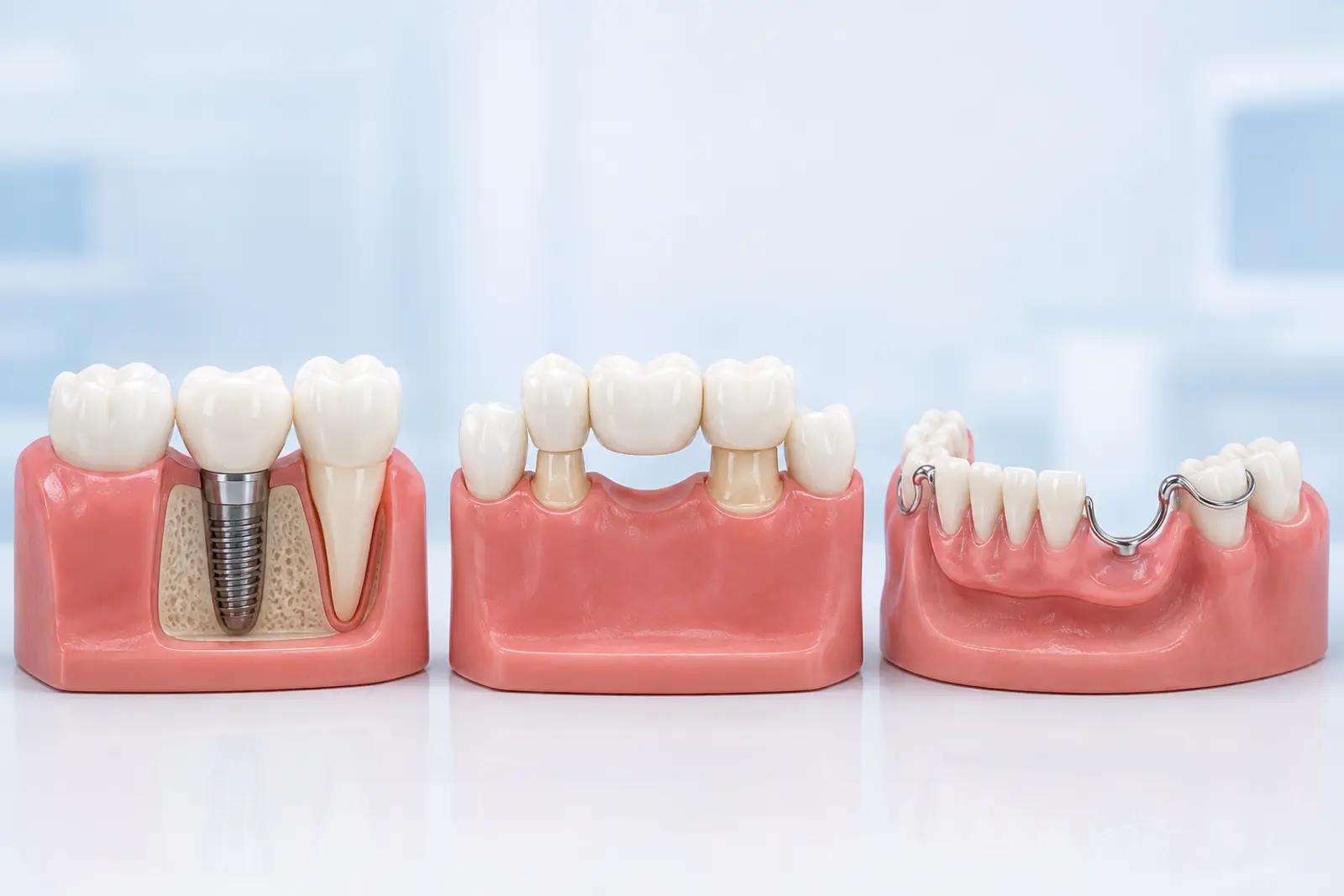

If you have lost a tooth—or expect that one may need to be removed—you may be offered a dental implant, bridge or denture. Each can replace missing teeth, but they differ in how they are supported, how they feel, what treatment is involved and how they are maintained.
There is no single option that is best for everyone. The choice depends on the number and position of missing teeth, the condition of the remaining teeth and gums, the available bone, your general health, your priorities and your budget.
This guide provides a practical comparison. A clinical examination and appropriate dental imaging are still needed before a dentist can recommend a suitable treatment plan.
At a glance
- Dental implant: a fixed replacement supported by an implant placed in the jawbone.
- Dental bridge: a fixed replacement supported by neighbouring teeth or, in some cases, implants.
- Denture: a removable appliance that can replace one, several or all teeth in an arch.
Why consider replacing a missing tooth?
A missing tooth may affect appearance, speech or chewing, depending on its position. Nearby teeth may also drift or tilt into the space over time, while the opposing tooth can move further into the gap. However, not every missing tooth must automatically be replaced. In some situations, monitoring the space may be reasonable if function, stability and appearance are acceptable.
A dentist should assess the whole mouth rather than the gap alone. Active decay, gum disease, clenching or grinding, and an unstable bite may need to be managed before—or alongside—tooth replacement.
Dental implants
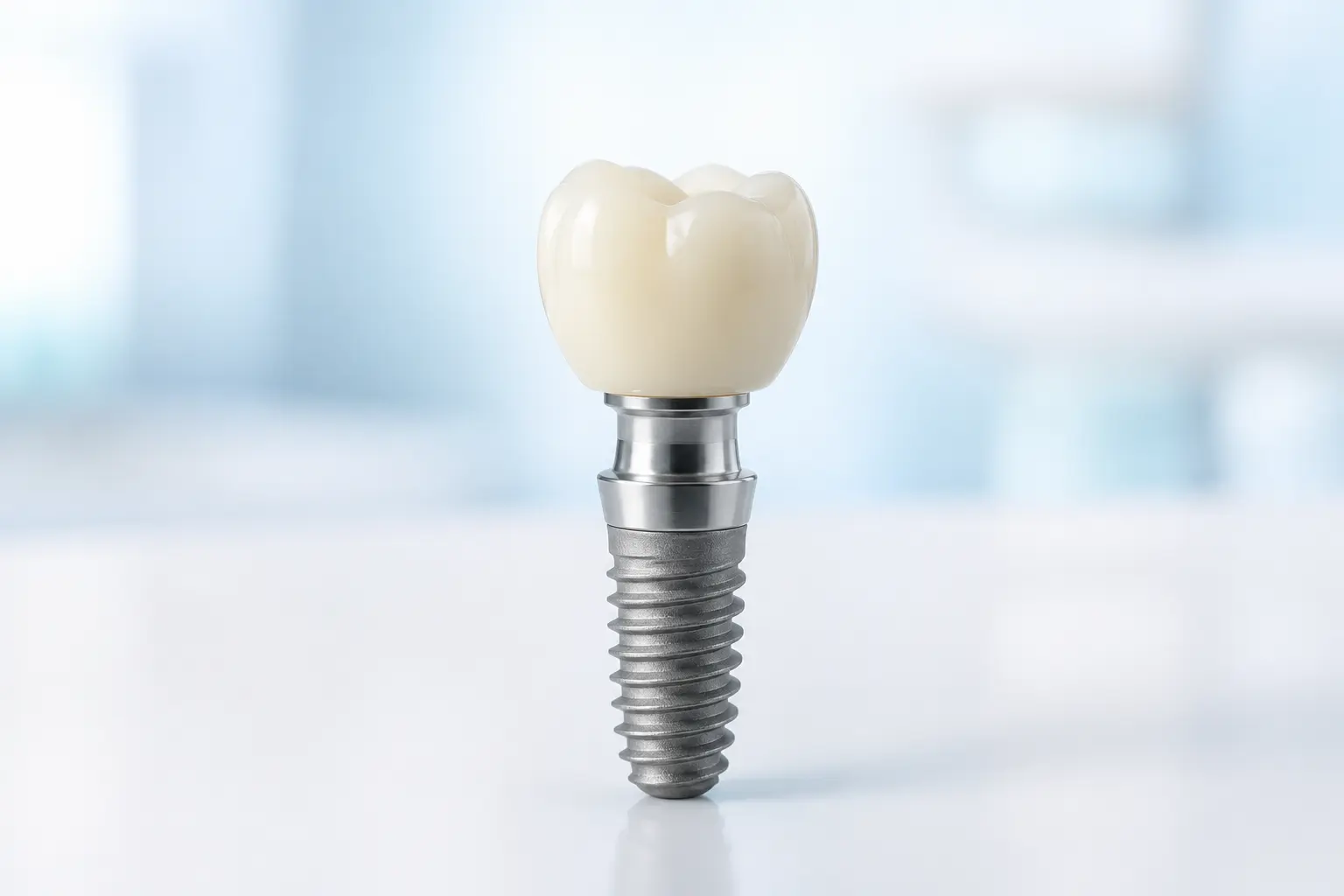
A dental implant is a fixture placed surgically in the jawbone to act as a foundation for a replacement tooth. After the implant has integrated sufficiently with the bone, it can support a crown, bridge or denture.
When may an implant be considered?
An implant may be considered when a patient wants a fixed replacement without preparing the neighbouring teeth for crowns. It can replace a single tooth, support a bridge for several missing teeth, or improve the support and retention of some dentures.
Implant treatment may be possible when:
- there is enough healthy bone, or bone augmentation is feasible;
- the gums are healthy and oral hygiene can be maintained;
- general health and medications do not create an unacceptable surgical or healing risk;
- there is enough space for a functional and cleansable restoration; and
- the patient understands the treatment stages and ongoing maintenance required.
Potential advantages
- A single implant can replace a tooth without routinely cutting down adjacent teeth.
- The restoration is fixed rather than removed for daily cleaning.
- Implants can support several replacement teeth or help stabilise a denture.
- They may provide good chewing function when treatment and maintenance are successful.
Points to consider
- Treatment involves surgery and usually takes longer than making a conventional bridge or denture.
- Bone or gum grafting may be recommended when tissue volume is insufficient.
- Implants and their restorations can develop biological or mechanical complications and are not guaranteed to last indefinitely.
- Smoking, poorly controlled diabetes, active gum disease and inadequate plaque control can affect risk and treatment planning.
- The initial fee is often higher than for a conventional bridge or removable denture.
You can read more about the planning process on our computer-guided dental implants page and in our guide to dental implant costs in Singapore.
Dental bridges
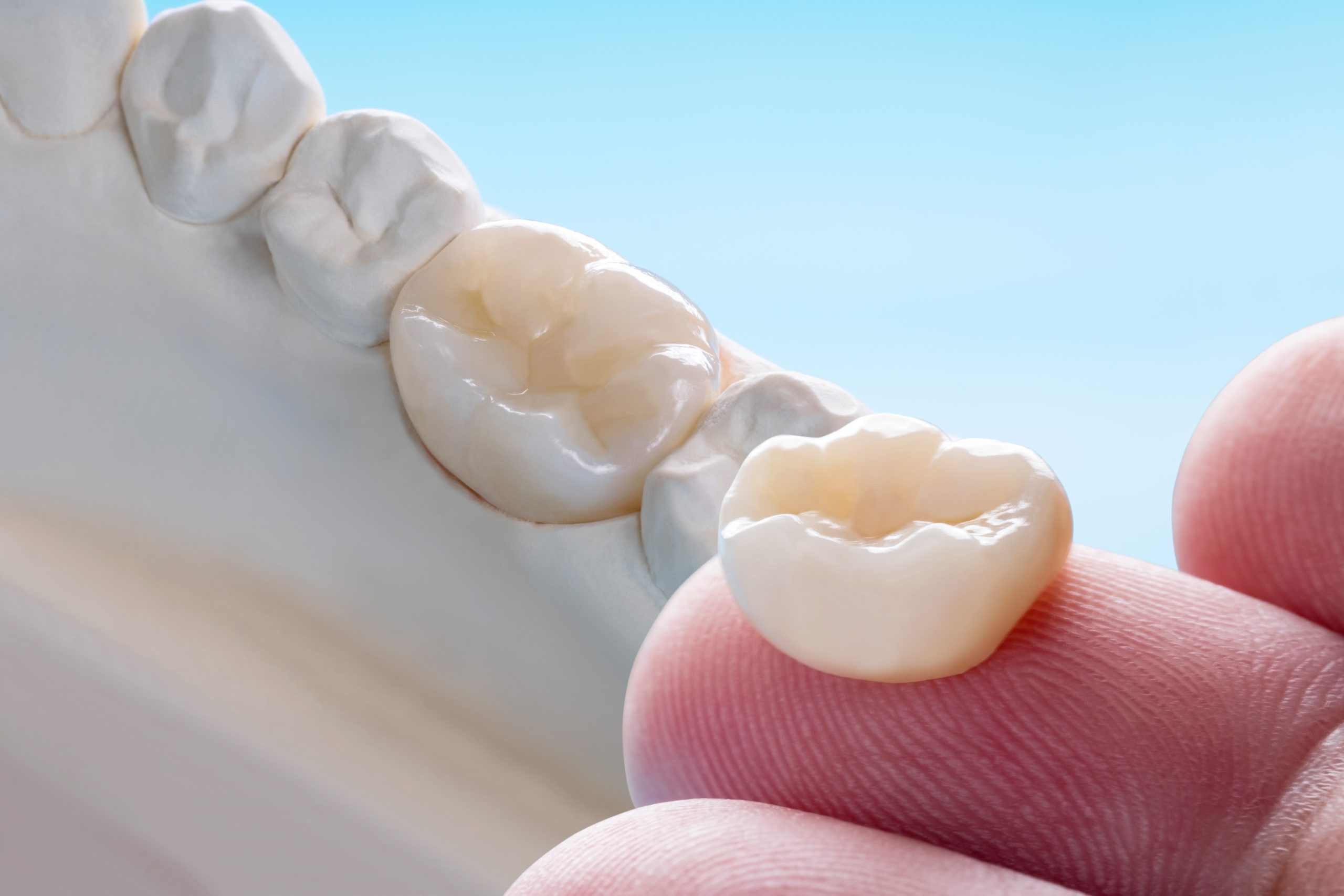
A conventional dental bridge usually consists of a false tooth joined to crowns placed over one or more neighbouring teeth. Other designs include resin-bonded bridges, which are attached to an adjacent tooth with a wing and usually require less tooth preparation. The suitability of each design depends on the position of the gap, the bite and the condition of the supporting teeth.
When may a bridge be considered?
A bridge may be useful when a fixed replacement is preferred and suitable neighbouring teeth can provide support. A conventional bridge may be particularly reasonable when adjacent teeth already have large restorations or would benefit from crowns for separate clinical reasons.
Potential advantages
- It is fixed in the mouth and does not need to be removed each day.
- Treatment is generally completed more quickly than implant treatment.
- No implant surgery is required.
- A bridge can sometimes improve the form of adjacent heavily restored teeth at the same time.
Points to consider
- A conventional bridge usually requires preparation of the supporting teeth, including removal of some tooth structure.
- Decay, gum problems or fracture affecting a supporting tooth can compromise the bridge.
- Cleaning beneath the false tooth requires floss threaders, interdental brushes or another suitable aid.
- Not every gap or bite is suitable, especially when supporting teeth are weak or absent.
- A bridge does not replace the missing tooth root, and changes to the gum and bone contour can still occur beneath the false tooth.
Dentures
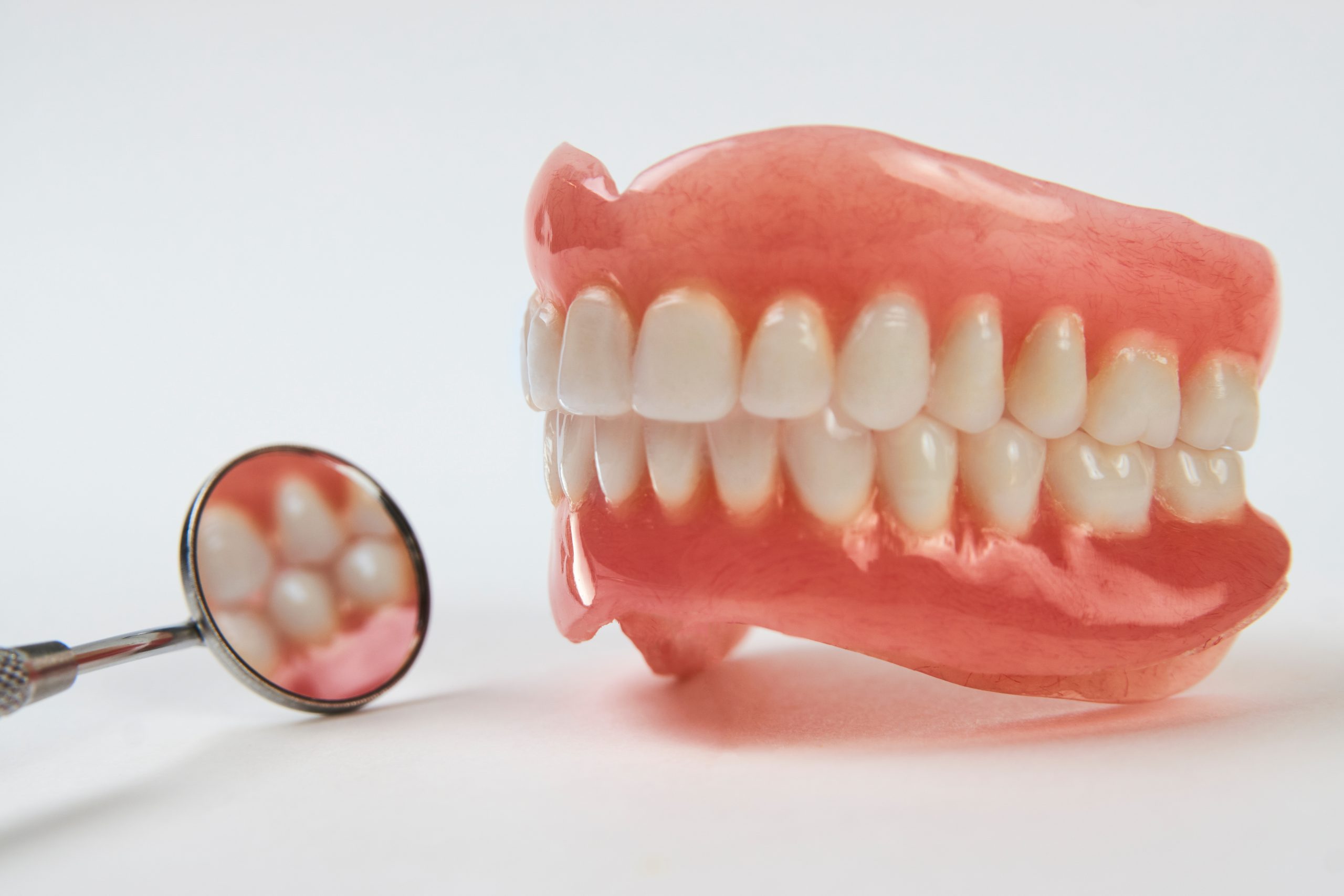
A denture is a removable appliance. A partial denture replaces some teeth and commonly gains support or retention from the remaining teeth and gums. A complete denture replaces all teeth in the upper or lower arch. Dentures may be made from acrylic, metal-based materials or a combination, depending on the design.
When may a denture be considered?
A denture may be considered when several teeth are missing, a removable solution is acceptable, surgery is not preferred or appropriate, or a lower-cost initial option is needed. It can also serve as an interim replacement while the mouth heals or before another treatment is completed.
Potential advantages
- One appliance can replace several or all missing teeth.
- Treatment does not usually require implant surgery.
- It is often the least costly option initially.
- The design can sometimes be modified if another tooth is lost, although this is not possible in every case.
Points to consider
- A denture is removable and should be taken out for cleaning and usually while sleeping.
- It may feel bulky initially and can affect speech, taste or chewing while you adapt.
- Movement is possible, particularly with a lower complete denture or when support is limited.
- Clasps on a partial denture may be visible depending on their position.
- As the gums and jawbone change, relining, adjustment, repair or replacement may become necessary.
Implant, bridge or denture: a practical comparison
| Feature | Implant | Bridge | Denture |
|---|---|---|---|
| Type | Usually fixed | Fixed | Removable |
| Support | Jawbone through an implant | Neighbouring teeth or implants | Gums, remaining teeth and sometimes implants |
| Surgery | Usually required | Not for a tooth-supported bridge | Not for a conventional denture |
| Effect on adjacent teeth | Usually no preparation needed | Often requires preparation for a conventional bridge | May use clasps or rests on selected teeth |
| Treatment time | Often several stages over months | Usually shorter | Usually shorter, depending on complexity |
| Daily care | Brush and clean around the implant | Brush and clean beneath the bridge | Remove and clean the appliance and mouth |
| Initial cost | Often highest | Varies with design and units | Often lowest |
These are general comparisons. Actual treatment, timing and fees vary with the clinical situation and the selected design.
What factors help determine the choice?
1. The number and location of missing teeth
A single missing tooth may be replaced with an implant crown, a bridge or a partial denture. When several teeth are missing, the options may include an implant-supported bridge, a longer tooth-supported bridge or a partial denture. The location matters because front and back teeth face different appearance and bite demands.
2. The condition of neighbouring teeth
Healthy, unrestored neighbouring teeth may favour avoiding unnecessary preparation, if an implant is otherwise suitable. Conversely, if adjacent teeth already require crowns, incorporating them into a bridge may sometimes be a reasonable plan. Teeth with poor gum support, cracks or extensive decay may not be dependable bridge supports.
3. Bone and gum health
Implants need adequate bone and healthy surrounding tissues. A three-dimensional scan may be recommended to assess bone volume and nearby anatomy. Gum disease should be controlled before implant or bridge treatment. Dentures also require healthy tissues and an appropriate design to distribute biting forces.
4. Health and lifestyle factors
Medical conditions, medications, smoking or vaping, and the ability to heal can influence implant risk. Hand dexterity, eyesight and daily cleaning habits may affect whether a fixed restoration or removable appliance is easier to maintain. Clenching and grinding can place additional load on any replacement and may alter the design.
5. Treatment time, comfort and budget
An implant may involve surgery and a healing period before the final tooth is fitted. A bridge or denture may be completed sooner in many cases. Cost should be discussed over the expected treatment pathway—not only the first appointment—because repairs, maintenance and future replacement may be needed with every option.
Whichever option you choose, maintenance matters
Dental restorations require ongoing care. Natural teeth can still develop decay or gum disease, and implants can develop inflammation in the surrounding tissues. Dentures can accumulate plaque and may become less well-fitting as the mouth changes.
A suitable maintenance plan may include:
- twice-daily brushing with fluoride toothpaste for the remaining natural teeth;
- cleaning beneath bridges and around implants with the recommended aids;
- removing and cleaning dentures daily without using excessively hot water;
- attending review and professional cleaning appointments at an interval based on your needs; and
- seeking assessment if a restoration becomes loose, painful, difficult to clean or uncomfortable.
Frequently asked questions
Is a dental implant always the best option?
No. An implant may avoid preparing neighbouring teeth and can provide a fixed replacement, but it is not suitable or preferred in every situation. Bone availability, health, maintenance ability, treatment time, surgical considerations and cost all matter.
Is a bridge better if the teeth beside the gap already need crowns?
It may be a reasonable option, because those teeth may already require substantial restoration. However, their remaining tooth structure, gum support, root condition and position must still be assessed before they are used as bridge supports.
Can a denture be temporary?
Yes. A denture can be used as an interim replacement after extraction or while another treatment is planned. Because the gums and bone change during healing, adjustment, relining or replacement may be required.
Can the options be combined?
Yes. Implants can support a bridge or improve the stability of a removable denture. A patient may also have different solutions in different parts of the mouth. Treatment should be planned as a whole so that the bite and maintenance requirements remain manageable.
Does every missing tooth need to be replaced?
Not necessarily. Leaving a space may sometimes be acceptable if chewing, appearance and tooth stability are not significantly affected. The possible consequences and review plan should be discussed before deciding against replacement.
The next step: compare options for your own mouth
A useful consultation should identify which options are clinically possible, what preparation or surgery each involves, the expected sequence and approximate cost, how the result must be cleaned, and the main limitations or risks.
At Dr Mike Teoh Dental Clinic, treatment recommendations are based on examination findings and appropriate imaging rather than a one-size-fits-all preference. You can read more about our approach to missing tooth replacement or contact the clinic in Serangoon to arrange an assessment.
This article is for general information and does not replace a dental examination, diagnosis or personalised treatment advice.