Preventive Dentistry

Is concerned with dental care that helps to establish and maintain good oral health.

Cleaning (Scaling & Polishing)

The Problem

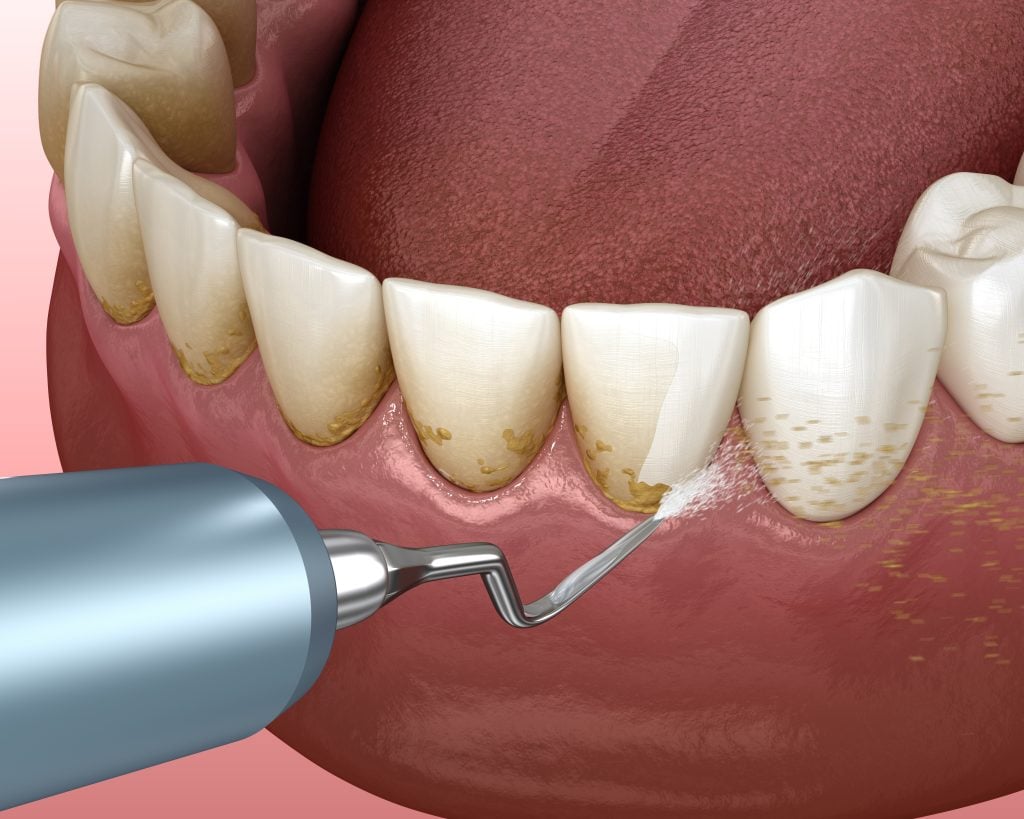
Plaque (the white film on your teeth you can scrape off with your fingernails) and Tartar (when plaque has been left too long and forms hard deposits) accumulate on your teeth over time, leading to issues like gum disease and dental decay.

FAQs

Questions about the procedure:

How often should I see the dentist for a cleaning ?

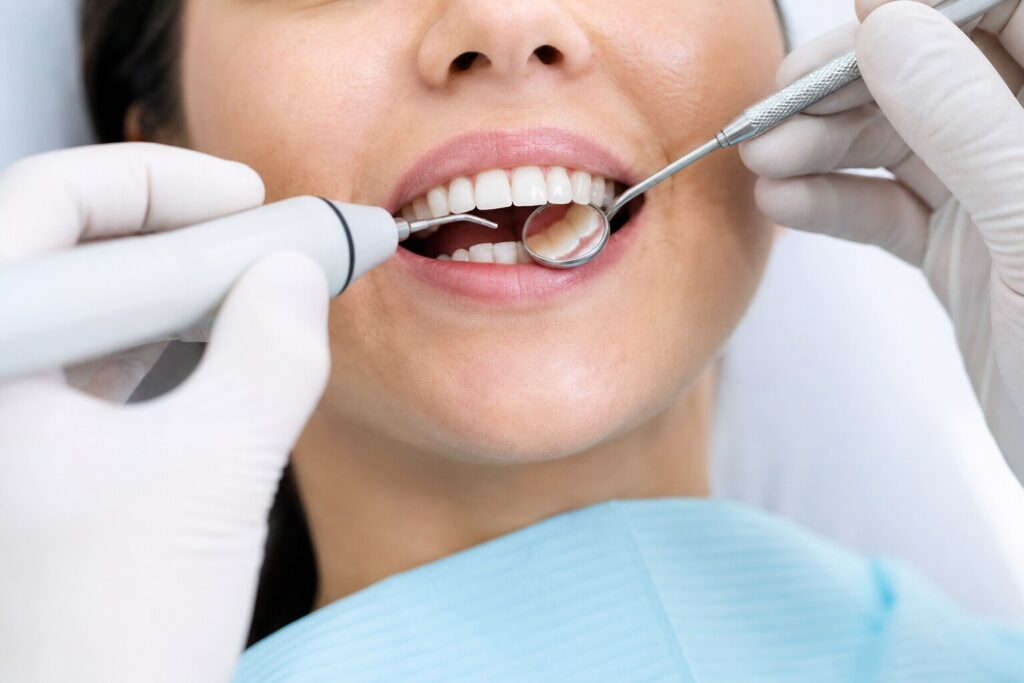
The appropriate interval for scaling and polishing depends on your oral health, plaque and tartar build-up, gum condition and individual risk factors. Many patients are reviewed around every 6 months, while some may benefit from a different interval. Air polishing may also be used where appropriate to help remove certain surface stains.
Why do my gums bleed after cleaning? Is it because the dentist cut my gums?

Bleeding gums are commonly associated with gum inflammation caused by plaque and tartar. During or after scaling, inflamed gum tissue may bleed more readily as deposits are removed. Persistent or significant bleeding should be assessed together with your overall gum health and oral-hygiene routine.

Topical Fluoride

The Problem

You are at a high risk of decay (i.e multiple decayed teeth/ multiple teeth with fillings/ a diet high in sugar/ poor oral hygiene).

FAQs

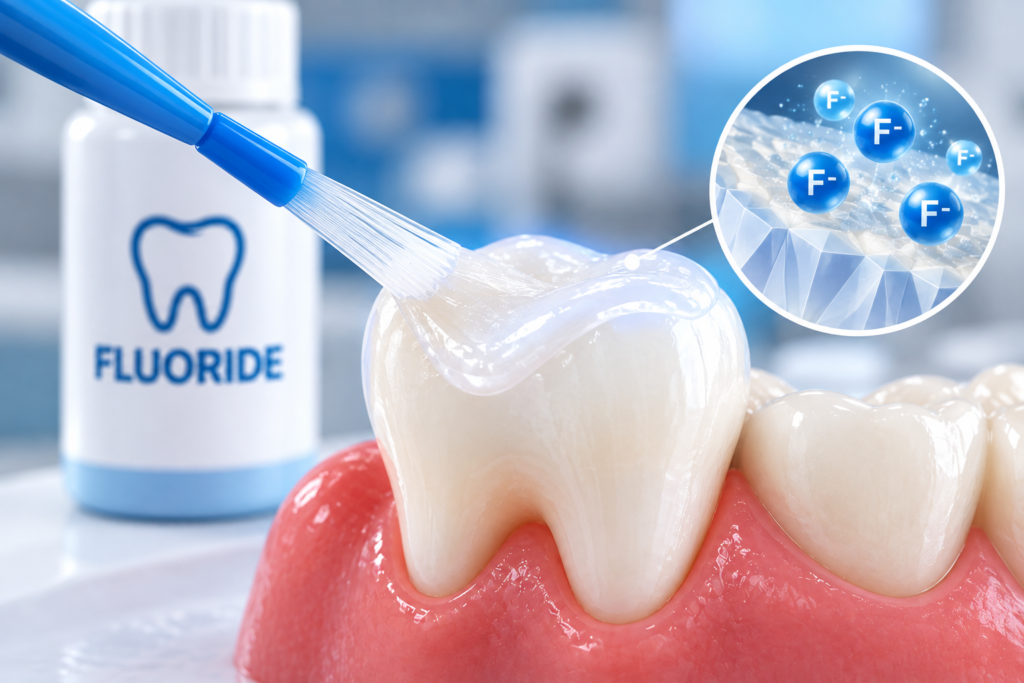
Topical fluoride has been used in preventive dentistry for many years and can help strengthen tooth enamel and reduce the risk of dental decay when used appropriately.

Questions about the procedure:

How does fluoride work?
  1. Helps strengthen enamel and make it more resistant to acid attack.
  2. Can support remineralisation of early enamel changes before a cavity has formed.
  3. Can reduce the activity of decay-associated bacteria.
How long must I not eat/ rinse/ drink after fluoride application?

After topical fluoride, follow the instructions given for the specific product used. Where applicable, we may advise waiting about 30 minutes before eating, drinking or rinsing.

Fissure Sealants

The Problem

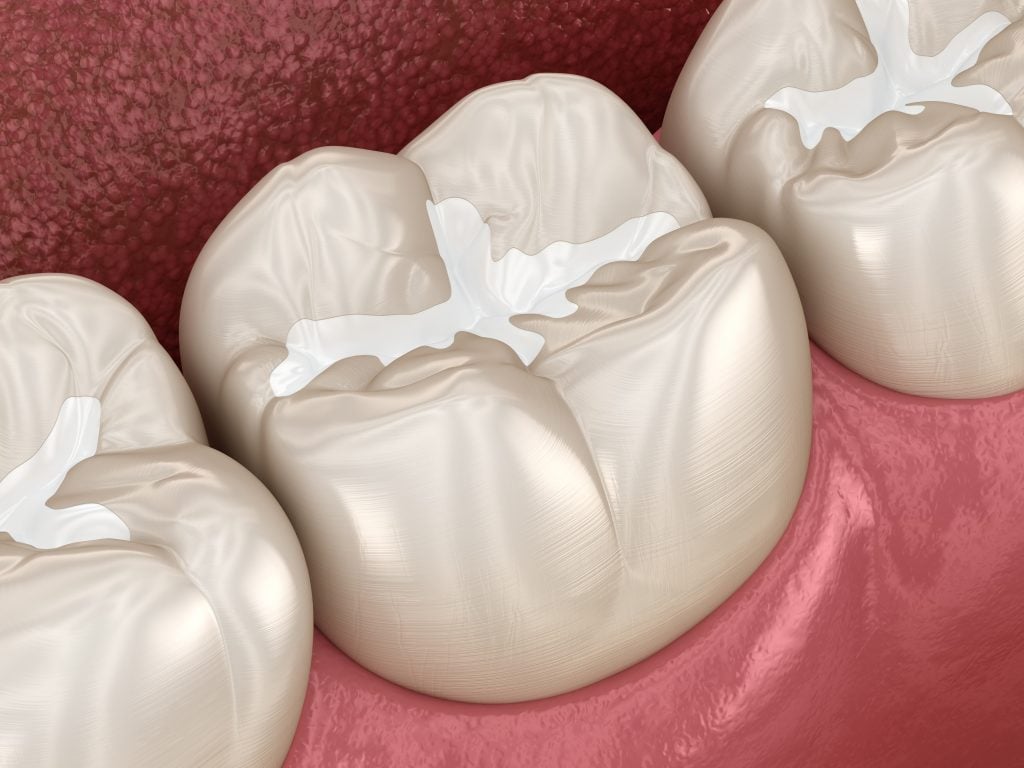
Some individuals may have very deep grooves/ pits/ fissures on their back teeth, think – Mountain tops and valleys. This results in a higher likelihood for food trap and consequently decay.

FAQs

Fissure sealants therefore seal off these deep food traps to allow for a smooth and easily cleansable surface on these teeth.

Questions about the procedure:

How are they placed?

The deep grooves are thoroughly cleaned with an air polisher known as a Prophyjet. We then chemical prepare the tooth and place a liquid sealant material and shine a light to harden it. We then trim and smoothen the sealant accordingly.

Mouthguards

The Problem

Bruxism (basically the clenching and/or grinding of teeth) can lead to tooth damage, jaw-joint pain and muscle aches.

FAQs

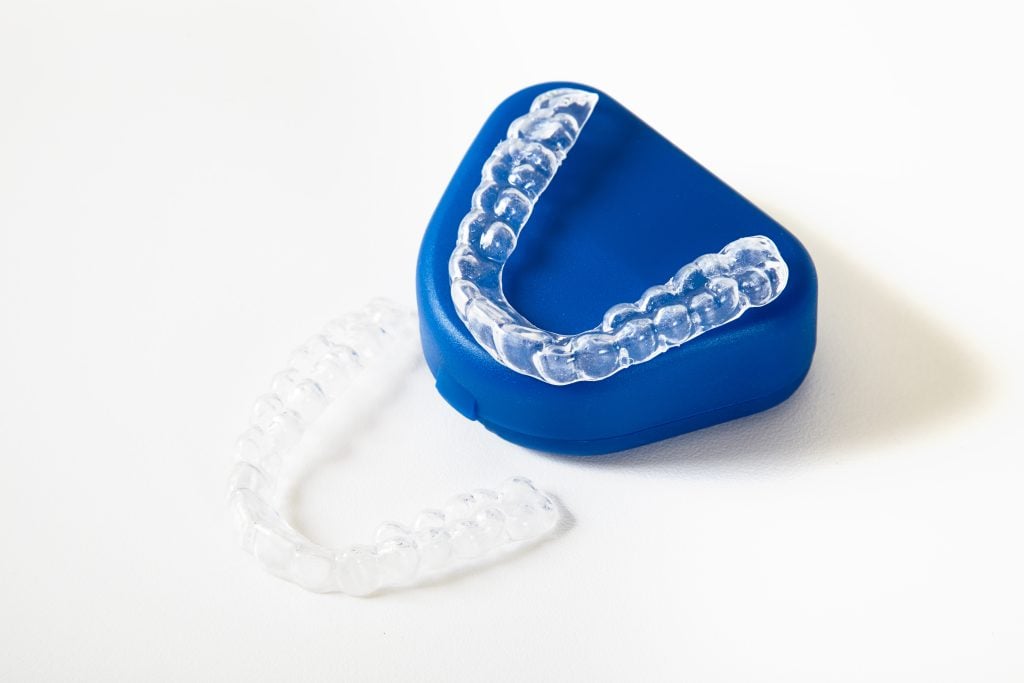
Custom-made mouthguards can be given to patients to serve as a protective layer which absorbs the force of biting.

Questions about the procedure:

Can’t I just get those off-the-shelf guards?

Off-the-shelf mouthguards may fit differently from custom-made appliances. For patients using a guard for tooth grinding or clenching, fit, comfort, retention and the bite should be considered. A dental assessment can help determine which type of appliance is suitable for you.

I have done braces and am wearing my retainers; can’t I use them as mouthguards too?

Orthodontic retainers and mouthguards are designed for different purposes. If you grind or clench your teeth, your dentist can assess whether your current retainer is adequate or whether a different appliance may be more appropriate.