
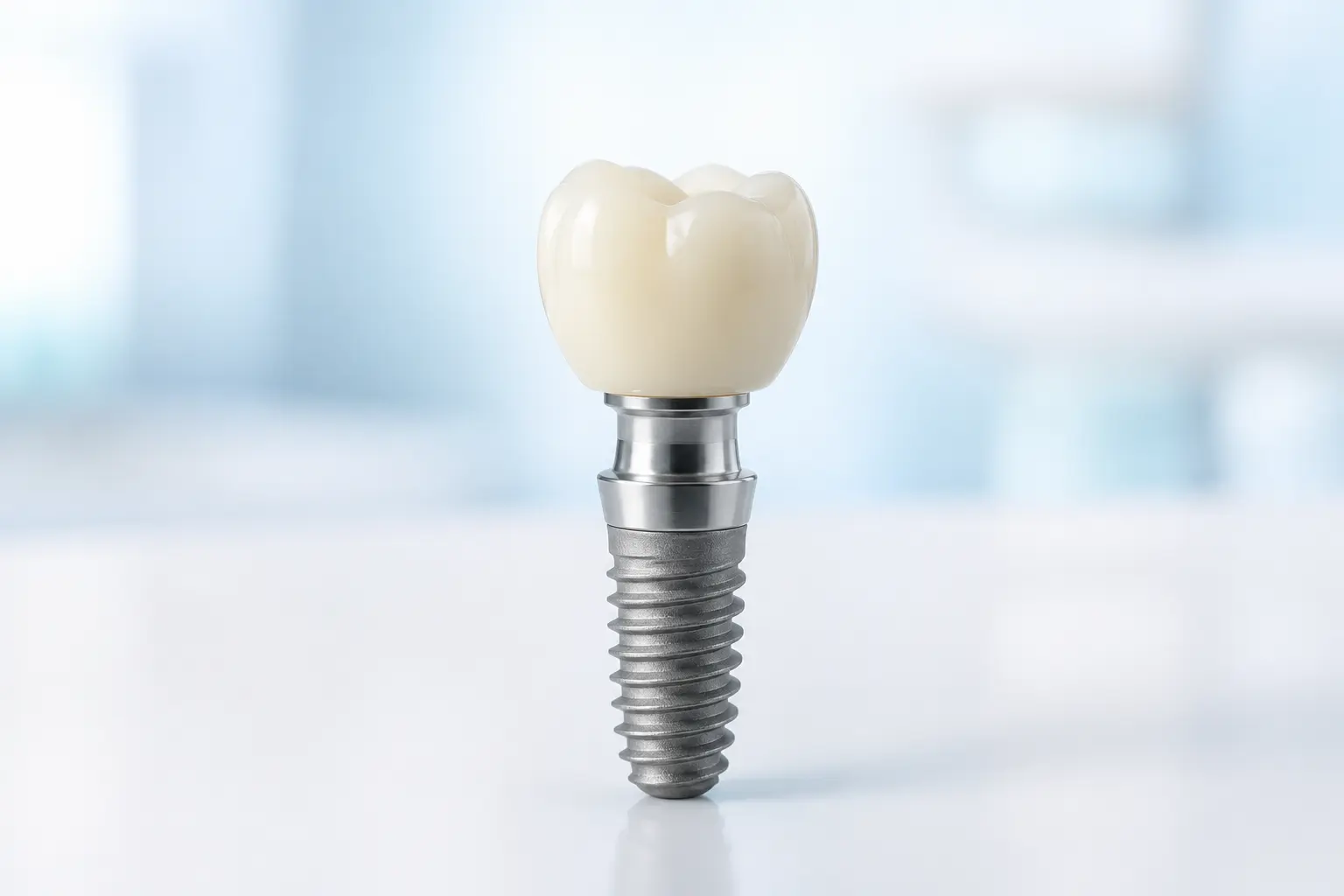

If you are considering replacing a missing tooth, cost is understandably one of the first questions you may have. The total cost of a dental implant in Singapore is not determined by the implant fixture alone. It can include assessment and imaging, implant surgery, restorative components and the dental crown, as well as additional treatment that may be required for an individual case.
This guide explains the main factors that can affect dental implant costs, what to look for when comparing quotations, and how MediSave may apply to the surgical component of implant treatment.
For a broader overview of suitability, treatment stages, benefits and other considerations, see our guide to dental implants in Singapore.
What Makes Up the Cost of a Dental Implant?
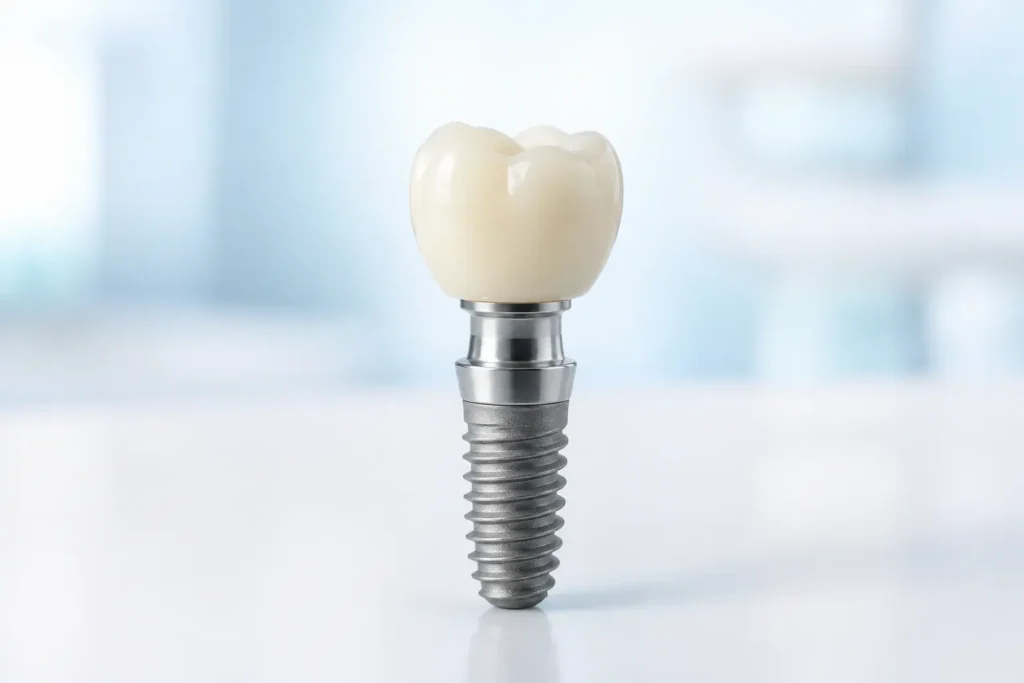
Dental implant treatment usually involves several stages rather than a single procedure. Depending on the case, a treatment plan may include a consultation and clinical examination, dental imaging, implant placement surgery, review appointments, restorative components such as an abutment, and the final implant-supported crown.
- Assessment and imaging — clinical examination and any indicated radiographic or digital imaging.
- Implant surgery — placement of the titanium implant fixture into the jawbone.
- Restorative components — components connecting the implant to the replacement tooth.
- Final crown — the visible replacement tooth supported by the implant.
- Additional procedures — for example, bone augmentation when clinically required.
When comparing fees between clinics, it is useful to ask whether the quotation is for implant placement alone or for the complete treatment from assessment through to the final crown. A lower initial figure may not necessarily represent the final treatment cost if other components are quoted separately.
Why Can Dental Implant Costs Vary?
The complexity of implant treatment varies considerably between patients. Factors that may affect the overall fee include the number and location of missing teeth, the amount and quality of available bone, the relationship of the proposed implant to nearby teeth, nerves or the maxillary sinus, the type of implant and restorative components used, and whether additional surgical procedures are required.
Assessment and 3D imaging
Appropriate imaging is important for implant planning. In selected cases, a 3D cone beam computed tomography (CBCT) scan can provide information about the available bone and surrounding anatomical structures. Digital intraoral scans may also be used to record the teeth and gums and assist with restorative planning.
Computer-guided implant planning
Where clinically appropriate, CBCT data and an intraoral scan can be combined to plan the intended implant position, angle and depth digitally. A customised surgical guide can then be designed to help transfer the planned implant position to the mouth during surgery. You can learn more about our computer-guided dental implant workflow in Singapore.
Computer-guided surgery does not eliminate surgical risks and is not necessary for every implant case. The appropriate technique depends on the patient’s anatomy and treatment requirements.
Bone grafting and additional procedures
If there is insufficient bone at the intended implant site, bone augmentation may be considered. In some upper-jaw cases, treatment involving the maxillary sinus may also be required. These procedures can increase both the cost and treatment time. Not every implant patient requires grafting, so this should be determined after clinical and radiographic assessment.
Does the Final Crown Affect the Total Cost?
Yes. The implant fixture is the component placed within the jawbone, while the visible replacement tooth is a separate restoration. After healing and integration, an implant may support an abutment and dental crown. The restorative phase therefore forms part of the overall cost of replacing a tooth with an implant.
Can MediSave Be Used for Dental Implants in Singapore?
MediSave can be used for dental implant insertion or removal when it is performed as a surgical procedure, subject to the prevailing MediSave rules and withdrawal limits.
MediSave generally does not cover non-surgical dental treatment such as the fitting of a dental crown. Patients should therefore distinguish between the surgical implant component and the subsequent restorative component when estimating their out-of-pocket cost. MediSave rules and limits can change, so check the latest CPF requirements or ask the clinic to confirm the applicable claim before treatment.
What Should I Ask When Comparing Dental Implant Fees?
- Does the quotation include both implant surgery and the final crown?
- Are consultation and diagnostic imaging charged separately?
- Are the implant fixture, abutment and crown all included?
- Could bone grafting or another additional procedure be required?
- Which portion of treatment may be eligible for MediSave?
- What happens if the treatment plan changes after further assessment?
A written treatment plan can make it easier to understand the anticipated stages and associated fees before proceeding.
Is the Cheapest Dental Implant the Best Option?
Price is an important consideration, but it should not be the only one. Implant treatment involves surgical planning as well as long-term restorative considerations. The treatment plan should take into account the available bone, neighbouring teeth, relevant anatomical structures, the intended final tooth position and the patient’s general and oral health.
Rather than comparing a headline price alone, compare what is included in the treatment plan and discuss the benefits, limitations, alternatives and relevant risks for your individual situation.
How Long Does Dental Implant Treatment Take?
The timeline varies. Some implants can be placed after a tooth has been removed, while other situations require a period of healing before implant placement. After an implant is inserted, time is usually allowed for healing and integration with the surrounding bone before the definitive restoration is completed. Additional procedures such as bone grafting may extend the overall treatment period.
What Are the Risks of Dental Implant Treatment?
Dental implant surgery has potential complications. These can include pain, swelling, bruising, infection, delayed healing, implant failure and injury to nearby anatomical structures. Depending on implant location, relevant structures can include adjacent teeth, nerves and the maxillary sinus. Individual risk varies according to anatomy, medical and dental factors, and the procedure being performed.
Your dentist should assess these factors and discuss the relevant risks and treatment alternatives with you before treatment.
Frequently Asked Questions About Dental Implant Cost
Is the implant crown included in the implant surgery fee?
Not necessarily. Implant surgery and the final implant-supported crown are different stages of treatment. Ask for an itemised quotation so you know which components are included.
Can MediSave pay for the whole dental implant?
MediSave may be used for eligible surgical implant procedures up to the applicable withdrawal limit. Non-surgical restorative treatment, including crown fitting, is generally not covered by MediSave. The amount claimable may therefore be less than the total treatment fee.
Does every implant require a bone graft?
No. Bone grafting is considered when the available bone is insufficient or when augmentation is otherwise indicated for the planned treatment. Assessment and appropriate imaging are required to determine whether it may be needed.
Does computer-guided implant surgery cost more?
Digital planning may involve CBCT imaging, intraoral scanning, planning software and fabrication of a surgical guide. Whether these steps affect the fee depends on the clinic and treatment plan. The decision to use a surgical guide should primarily be based on clinical considerations rather than cost alone.
Considering a Dental Implant in Singapore?
If you have a missing tooth or a tooth that may require replacement, an assessment can help determine whether implant treatment is suitable and what procedures may be required. The expected costs can then be discussed based on your individual treatment plan.