

Recovery after wisdom tooth surgery varies with the position of the tooth, the complexity of the procedure and the individual patient. Knowing what is usually expected—and which symptoms need attention—can make the first week less uncertain.
Some soreness, swelling and jaw stiffness are normal after a wisdom tooth is removed. These symptoms are often most noticeable during the first few days and should then gradually improve. A more involved lower wisdom tooth surgery may take longer to settle than a straightforward extraction.
Your dentist’s instructions are specific to your procedure and medical history, so follow them even if they differ from general advice online. This guide explains the usual recovery pattern after wisdom tooth removal and when to contact the clinic.
The first 24 hours: protecting the blood clot
After the tooth is removed, a blood clot forms in the socket. It protects the underlying bone and supports early healing. The priority on the day of surgery is to control bleeding and avoid disturbing this clot.
A small amount of blood-stained saliva or mild oozing can be expected. If bleeding continues, place the gauze provided over the socket and bite down with steady pressure for the period advised by your dentist. Sit upright and avoid repeatedly removing the gauze to check the wound.
For the first 24 hours, unless your dentist advises otherwise:
- do not rinse vigorously, spit forcefully or probe the socket with your tongue or fingers;
- avoid straws, forceful suction and smoking or vaping;
- avoid strenuous exercise, heavy lifting and repeated bending;
- choose cool or lukewarm food and drinks while the area is numb; and
- take prescribed or recommended medication according to the instructions.
Local anaesthetic can remain effective for several hours. Take care not to bite your lip, cheek or tongue, and avoid very hot food or drinks until normal sensation has returned.
A typical recovery timeline
There is no single recovery schedule that applies to everyone, but the following pattern is common.
Day of surgery
Numbness, mild oozing and early soreness are expected. Swelling may begin later in the day. Rest with your head slightly elevated and use a wrapped cold pack externally if this was recommended.
Days 2 to 3
Swelling and jaw stiffness may be more noticeable during this period. Bruising can also appear. Pain should generally be manageable with the medication plan provided. Continue with soft food, careful oral hygiene and gentle rinsing from the time advised by your dentist—commonly from the day after surgery.
Days 4 to 7
Most patients notice a gradual reduction in pain and swelling. Jaw opening may still feel restricted, especially after lower wisdom tooth surgery. You can usually progress towards a more normal diet as comfort allows, while avoiding food that is hard, sharp or likely to lodge in the socket.
After the first week
The gum may look or feel uneven, and a small depression can remain while the socket heals from the inside out. Dissolvable stitches may loosen or disappear at different times. Mild tenderness can persist even when the overall recovery is progressing normally.
The time required to return to work, exercise and a normal diet depends on the surgery and the type of work you do. A physically demanding job or a more involved procedure may require more recovery time than desk-based work after a straightforward removal.

Managing pain and swelling
Take pain medication exactly as directed. Do not exceed the stated dose, combine products containing the same active ingredient, or take medication that is unsuitable for your medical history. If you have allergies, kidney or liver disease, stomach ulcers, are pregnant, or take blood-thinning medication, check what is appropriate for you.
A wrapped cold pack applied intermittently to the outside of the face may help during the early period. Do not place ice directly on the skin. After the first few days, warmth may sometimes feel more comfortable for residual jaw stiffness, but follow the advice given for your case.
Pain that is slowly improving is reassuring. Pain that becomes substantially worse after initially settling should be assessed.
What can you eat after wisdom tooth surgery?
Start with foods that require little chewing, such as yoghurt, eggs, porridge, soft noodles, mashed vegetables, tofu or cooled soup. Drink enough water, but avoid forceful suction.
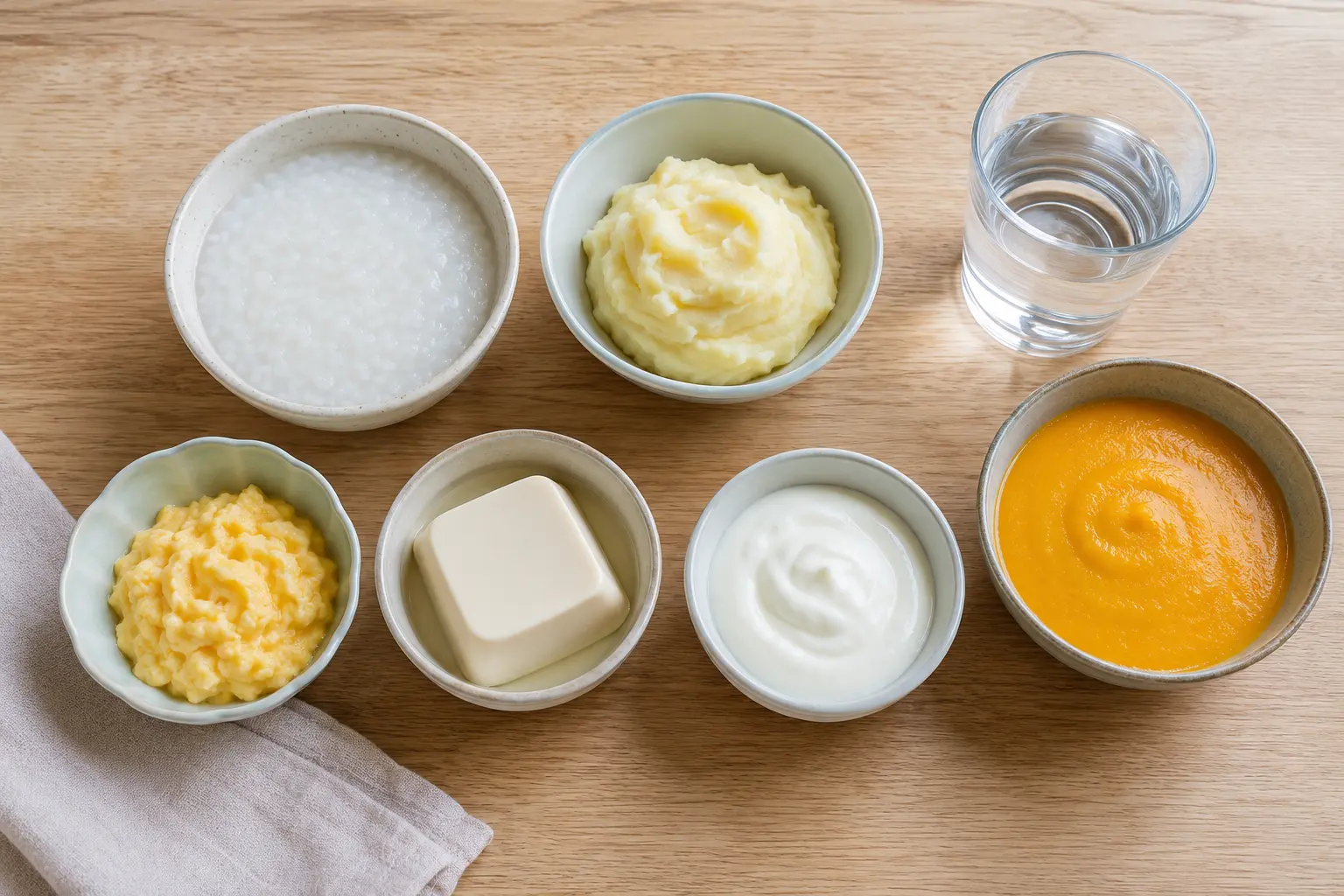
As comfort improves, gradually reintroduce more textured food. For the early recovery period, it is sensible to avoid:
- very hot food and drinks while the area is numb or still bleeding;
- hard or sharp food that may traumatise the wound;
- small particles such as seeds or nuts that may lodge in the socket;
- excessively spicy or acidic food if it irritates the area; and
- alcohol for the period advised, particularly if you are taking medication.
Chewing on the opposite side may be more comfortable initially.
How should you clean your mouth?
Good oral hygiene supports healing, but the surgical site must be treated gently. Brush the other teeth as usual and take care around the wound and stitches.

Avoid forceful rinsing on the day of surgery. From the following day, your dentist may advise gentle warm salt-water rinses or a prescribed mouth rinse, especially after meals. Let the liquid move passively around the area rather than swishing vigorously.
Do not repeatedly pick food from the socket with a fingernail, toothpick or sharp instrument. If you have been given a syringe or another cleaning aid, use it only from the time and in the manner instructed.
What happens to the stitches and the socket?
Dissolvable stitches usually soften and come away on their own, although the timing varies. A loose end does not necessarily mean the wound has opened. Contact the clinic if a stitch is causing persistent irritation, the wound appears to have separated significantly, or bleeding restarts.
The socket does not close immediately. It may temporarily trap food as it becomes shallower. This is different from a tooth being left behind and usually improves as healing progresses.
What is dry socket?
Dry socket, or alveolar osteitis, occurs when the socket’s protective clot is lost or breaks down before the area has healed sufficiently. It is not the same as a routine postoperative ache.
Typical features can include:
- pain that becomes more intense a few days after the extraction rather than continuing to improve;
- pain that radiates towards the ear, temple or jaw;
- an unpleasant taste or smell; and
- little relief from the usual pain medication.
Dry socket should be assessed by a dentist. Management may include cleaning the socket and placing a soothing dressing. Antibiotics are not automatically required unless there are separate signs of infection.
Smoking and vaping can interfere with clot stability and healing, so avoiding them is particularly important.
When should you contact the dentist?
Arrange an assessment if you experience:
- bleeding that remains heavy or does not settle despite firm pressure as instructed;
- pain or swelling that is worsening rather than gradually improving;
- fever, pus, a persistent foul taste or feeling generally unwell;
- increasing difficulty opening the mouth;
- a rash, facial swelling or another suspected medication reaction;
- persistent vomiting or difficulty keeping fluids down; or
- numbness, tingling or altered sensation that persists beyond the expected anaesthetic period or causes concern.
Significant difficulty breathing or swallowing, rapidly spreading swelling, or uncontrolled bleeding requires urgent medical attention.
When can you return to work and exercise?
Many people can resume light daily activities relatively soon, but recovery depends on the procedure and the demands of your work. Allow more time if several teeth were removed, the surgery was complex, or your job involves physical exertion.
Avoid strenuous exercise during the early healing period because it can restart bleeding or increase throbbing. Return gradually once bleeding has stopped, swelling is settling and movement feels comfortable. Follow any restrictions related to sedation or general anaesthesia, including driving and operating machinery.
Frequently asked questions
Is swelling normal after wisdom tooth surgery?
Yes. Some swelling is expected and may become more noticeable before it begins to settle. Swelling that continues to enlarge, becomes firm or is accompanied by fever, pus, worsening pain, swallowing difficulty or feeling unwell should be assessed.
Why is my jaw stiff?
The muscles and tissues near the surgical site can become inflamed, particularly after a lower wisdom tooth removal. Gentle use usually becomes easier as swelling subsides. Do not force the mouth open. Seek advice if restriction is worsening or prevents adequate eating and drinking.
Is it normal to have a hole where the tooth was?
Yes. The socket initially remains open and gradually fills with healing tissue. It can take longer for the contour to smooth over completely than it takes for pain and swelling to resolve.
Do I need antibiotics after wisdom tooth surgery?
Not routinely. Antibiotics are used when there is a clinical indication and should be taken only when prescribed. They do not replace local wound care and do not prevent every postoperative problem.
When can I brush near the surgical site?
You can generally continue brushing the rest of the mouth, while avoiding direct trauma to the fresh socket. Cleaning closer to the area can be resumed carefully according to your dentist’s instructions as healing progresses.
The key point
After wisdom tooth surgery, mild bleeding, soreness, swelling, bruising and jaw stiffness can be part of normal healing. The overall trend matters: symptoms should gradually improve rather than become progressively worse.
Protect the clot during the first day, keep the mouth clean as instructed, take medication safely and return to food and activity gradually. If recovery does not follow the expected pattern, contact the treating dentist rather than waiting for the next routine visit.
If you are deciding whether a painful wisdom tooth needs treatment, read Wisdom Tooth Pain: When Does It Need to Be Removed?. For concerns after surgery, you may contact Dr Mike Teoh Dental Clinic in Serangoon for advice or assessment.
This article provides general information and does not replace personalised postoperative instructions or a clinical examination.