




Posted on Google 

Elampirai Elangovan
Trustindex verifies that the original source of the review is Google. Mike is very professional, knows what he’s doing and tries his best to explain all that’s going on so the patients feel reassured. Loved my experience👍🏾
Posted on Google

Siti Nur Afidah
Trustindex verifies that the original source of the review is Google. I had a crown done at Dr. Teoh's clinic, and the entire process was fast and comfortable. They use 3D scans, which made the procedure incredibly accurate—there was minimal to no adjustment needed. The color of the crown matched perfectly, so much so that I couldn’t even tell the difference from my natural teeth. Overall, it was a very positive experience, and I highly recommend Dr. Teoh’s clinic!
Posted on Google

Jen S
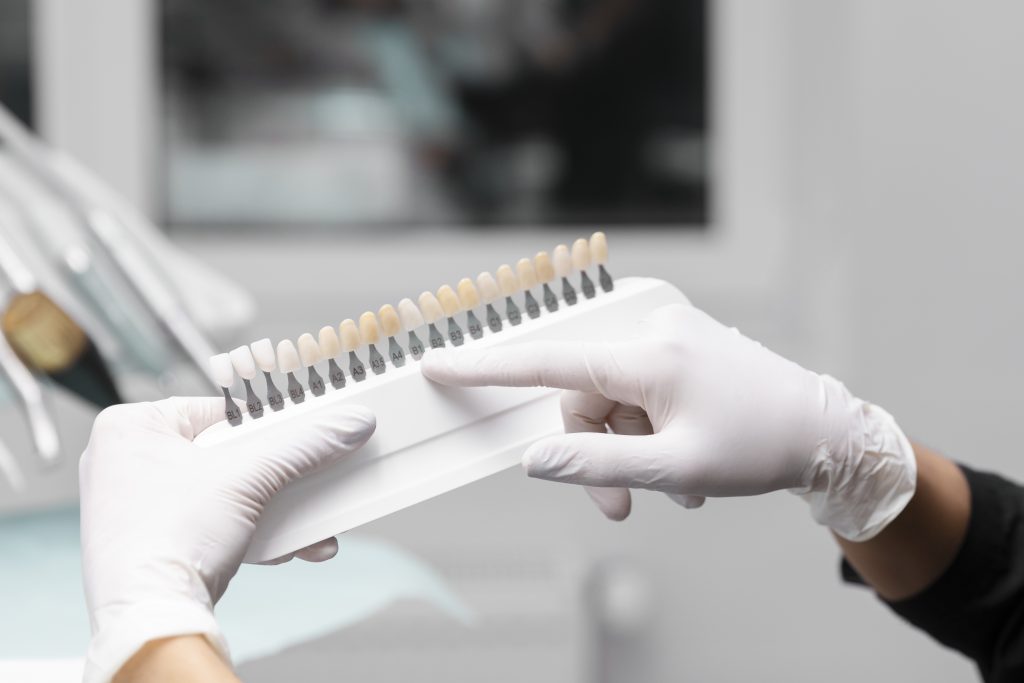
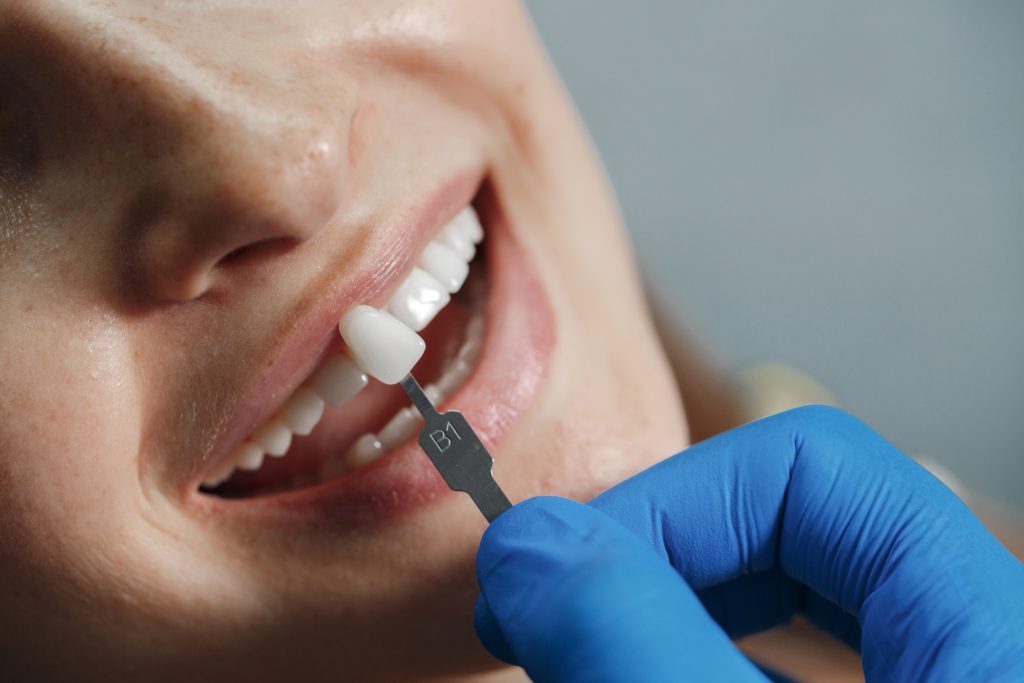
Trustindex verifies that the original source of the review is Google. I’ve always wanted to try in-chair teeth whitening and am glad I did. Big thanks to Dr. Mike and team for the great teeth whitening experience! Explained the steps patiently. Air polished teeth before applying whitening gel for better results. Used state-of-the-art technology to assess pre- and post-treatment teeth colour instead of manually matching against a shade guide. Quick and fuss-free, the results are instant and amazing. I’m beyond happy with the bright, natural smile! Highly recommend their advanced approach for anyone looking to refresh their smile. 😁
Posted on Google

Deep Yap
Trustindex verifies that the original source of the review is Google. Dr. Mike made my wisdom tooth extraction such a surprisingly positive experience. Throughout the procedure, he talked me through each step, which kept me calm and even made me feel like part of the process. The whole thing was done in just 20 minutes, with no nerve damage. What really stood out was that Dr. Mike never pressured me; he actually suggested waiting until I felt completely ready, since I wasn’t in pain. This was a refreshing change from my experience at a nearby chain dental clinic. I truly trust Dr. Mike, and he’s helped me overcome my fear of going to the dentist.
Posted on Google

Matthew Tan
Trustindex verifies that the original source of the review is Google. Dr Mike was very thorough and patient throughout the process of removing my 2 wisdom teeth. I love how he explains every step, helping me to remain calm even though it was a foreign procedure to me. Very grateful that he took out additional time to perform the surgery even though it was very last minute too...saved me a lot of pain for that week >< The follow-up was great and I'm glad to have found a dentist that I can trust 🙂
Posted on Google

Adam Lim
Trustindex verifies that the original source of the review is Google. It was mission impossible accomplished with Dr Mike as I've wanted an implant but due to not enuh bone mass was unable to do it but Dr Mike recommended me to a surgery to add bone mass and finally had my implant done! Excellent and ethical doc! Thank you Dr Mike.
Posted on Google

Isaac Ong
Trustindex verifies that the original source of the review is Google. Dr Mike is incredibly skillful and helped me with my extraction with great ease and minimal pain and discomfort. I’m very grateful 🥲. Managed to get my entire tooth out in one piece despite it being in a very strange shape and had even an angled hook. Thanks doc!
Posted on Google

James L
Trustindex verifies that the original source of the review is Google. Very good and explained my issue with molar pain in detail. Confirm visit again
Posted on Google

Joshua Young
Trustindex verifies that the original source of the review is Google. Was very kind, knowledgeable and thorough throughout the session. Was able to answer all of my questions and concerns. Highly recommend.