Preventive Dentistry
Is concerned with dental care that helps to establish and maintain good oral health.
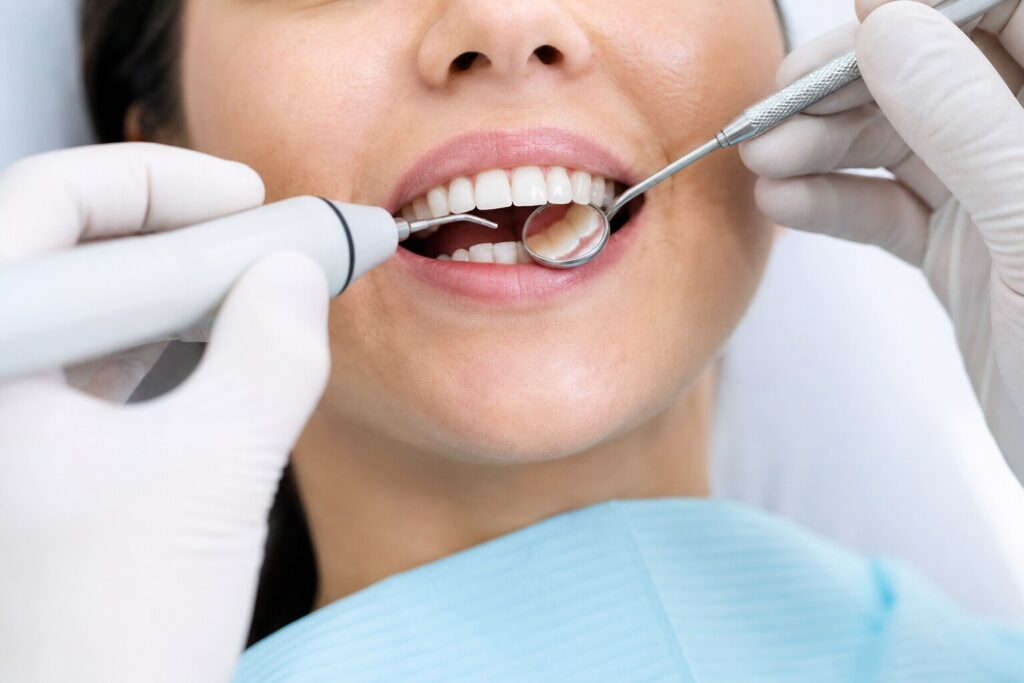
Cleaning (Scaling & Polishing)
The Problem
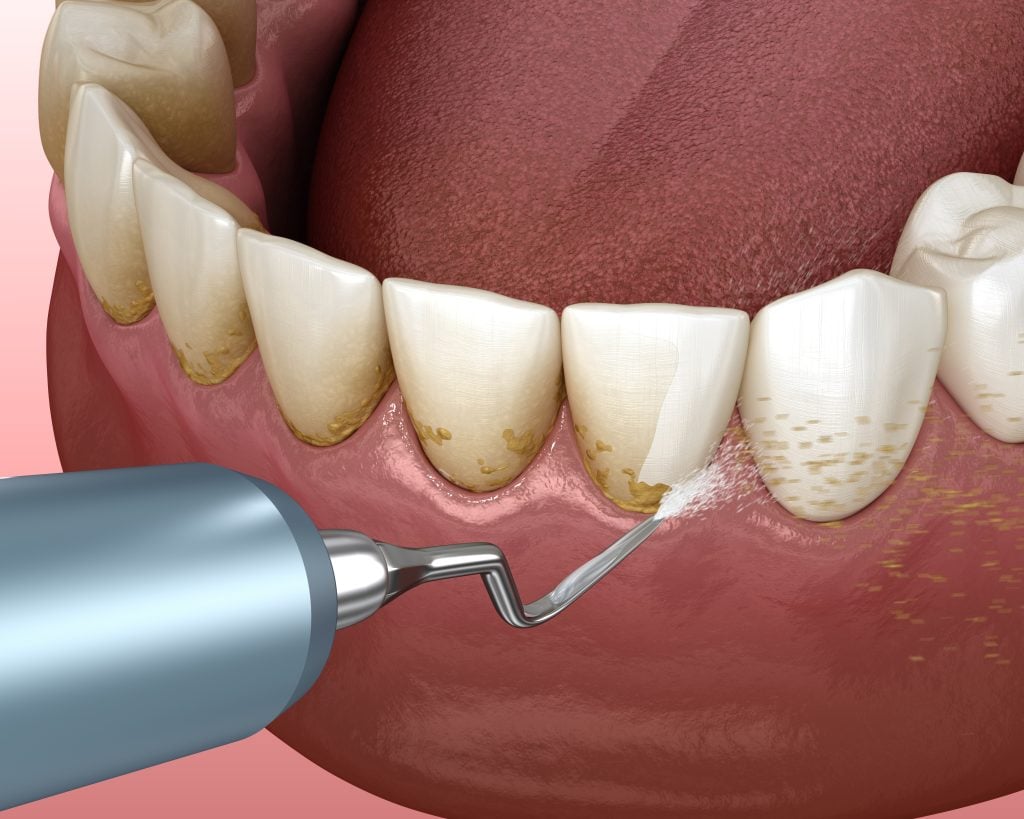
Plaque (the white film on your teeth you can scrape off with your fingernails) and Tartar (when plaque has been left too long and forms hard deposits) accumulate on your teeth over time, leading to issues like gum disease and dental decay.
FAQs
Questions about the procedure:
In general, we recommend a Scaling (removal of the plaque and tartar) & Polishing (Removal of stains) every 6 months to maintain a healthy set of teeth and gums. For stubborn stains, we use an air-polishing device known as a Prophyjet to ‘blast them away’.
No, gum bleeding are basically a sign that your body is telling you that you need to improve on your oral hygiene. A cleaning merely removes the dirt (plaque and tartar) which was causing all that redness and ‘puffy’ gums, bleeding is basically a release of all that swelling and infection.
Topical Fluoride
The Problem
You are at a high risk of decay (i.e multiple decayed teeth/ multiple teeth with fillings/ a diet high in sugar/ poor oral hygiene).
FAQs
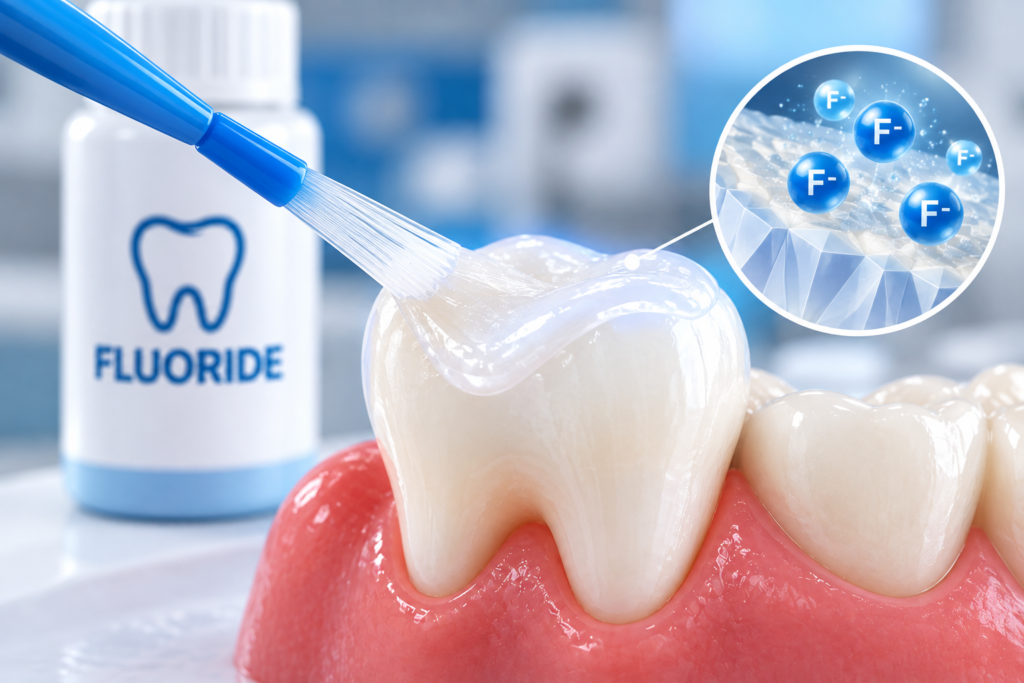
With more than 50 years of clinical success, Topical Fluoride is arguably a ‘Gold Standard’ agent for the prevention of dental decay.
Questions about the procedure:
- Strengthens the enamel layer to resist acid-attack from bacteria.
- Reverses the decay process by repairing the enamel layer.
- Antibacterial activity against decay-causing bacteria.
- We recommend a minimum of 30 minutes to allow enough time for fluoride to be absorbed by the teeth.
Fissure Sealants
The Problem
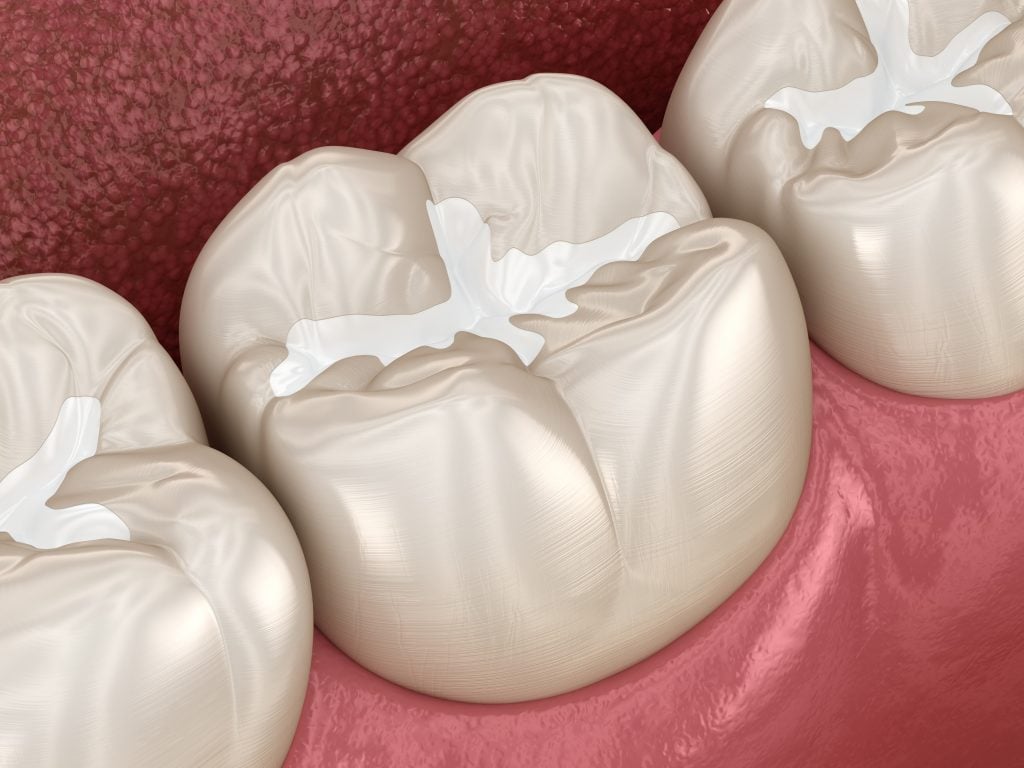
Some individuals may have very deep grooves/ pits/ fissures on their back teeth, think – Mountain tops and valleys. This results in a higher likelihood for food trap and consequently decay.
FAQs
Fissure sealants therefore seal off these deep food traps to allow for a smooth and easily cleansable surface on these teeth.
Questions about the procedure:
The deep grooves are thoroughly cleaned with an air polisher known as a Prophyjet. We then chemical prepare the tooth and place a liquid sealant material and shine a light to harden it. We then trim and smoothen the sealant accordingly.
Mouthguards
The Problem
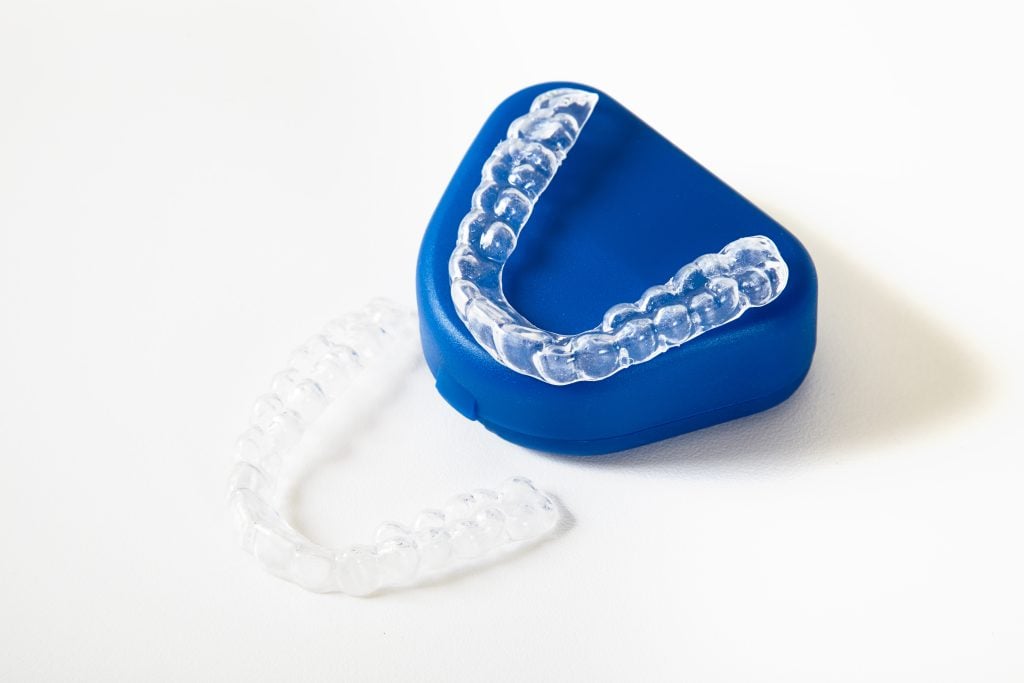
Bruxism (basically the clenching and/or grinding of teeth) can lead to tooth damage, jaw-joint pain and muscle aches.
FAQs
Custom-made mouthguards can be given to patients to serve as a protective layer which absorbs the force of biting.
Questions about the procedure:
We would not recommend this as poorly-fitting guards can potentially make the issue worse. Furthermore, there have been reports of poorly-fitting off-the-shelf guards as choking hazards when worn overnight.
Yes, you can! Do note, that depending on the severity of your grinding/ clenching, you may wear through them faster, thereby requiring replacement. Alternatively, you may want to consider making thicker retainer.